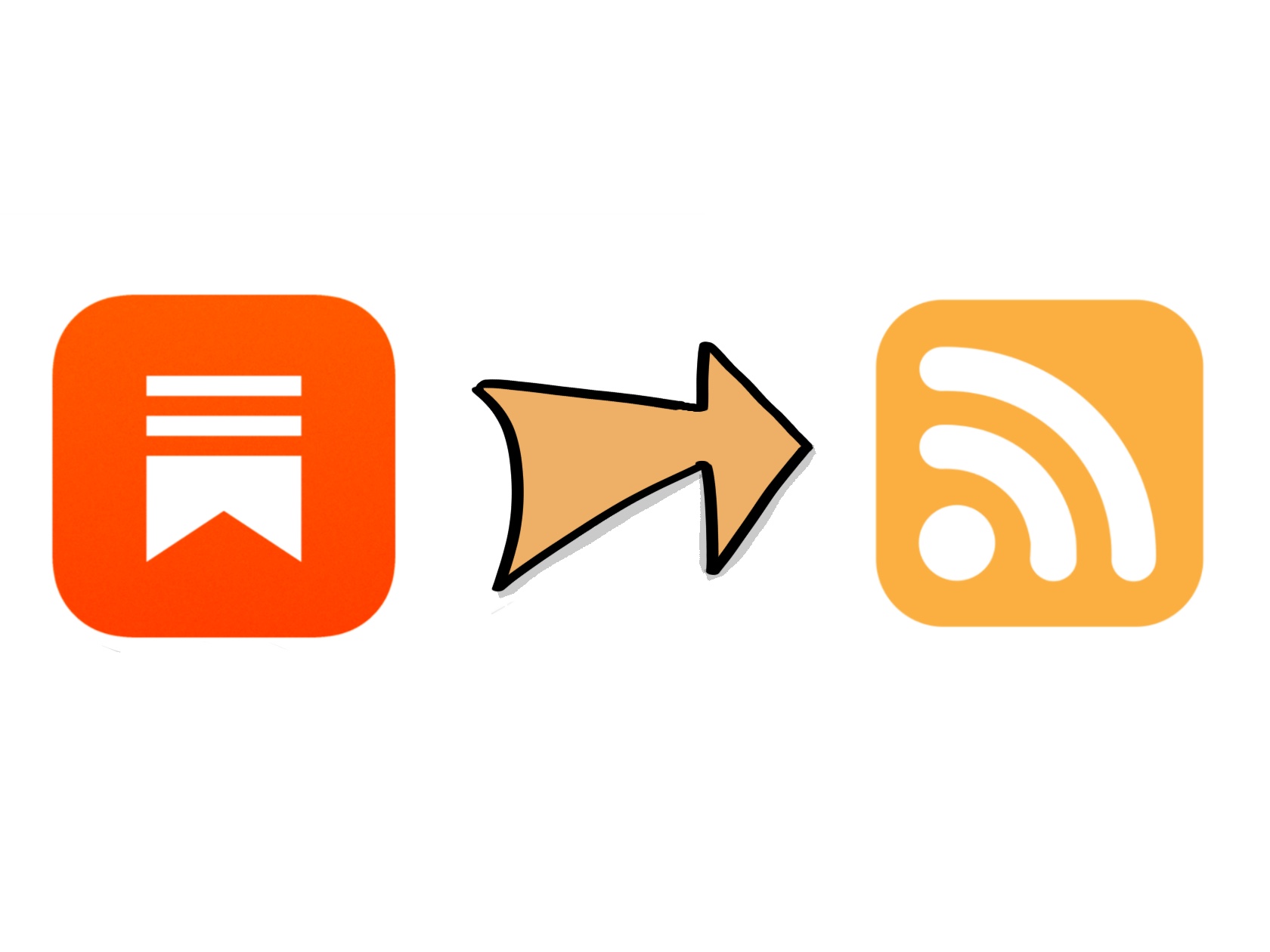

Last year, I tried to commit to writing more, and I did reasonably well until mid-year. I chose Substack as my platform, and I liked the idea of how it connected writers to readers.
But then came enshittification.
Metrics, always metrics
Substack is a platform where some authors release their content for free, while others charge for more premium pieces. So, what becomes relevant for writers?
- Number of views
- Number of mentions
- Number of subscribers
- Number of paid subscribers
And that’s all fine, perfectly normal. There’s a lot of good content there worth paying for, and many people competent enough to make a living from this model.
The problem isn’t all the authors, but what the platform does to try to make these metrics attractive enough to keep authors there and attract new writers. Over time, Substack added:
- A Twitter-like feature
- Popups constantly asking readers to subscribe to the newsletter
- A default option to subscribe to ALL substacks that an author recommends when subscribing to their newsletter
Reading a post on Substack became an exercise in patience, and I started feeling bad about making people who dedicate some of their time to read what I write go through that. So my desire to write there kept diminishing.
Where I drew the line
As if all that wasn’t enough, the metrics made completely despicable newsletters become interesting for the business because they generate revenue for the company.
And that includes Nazi newsletters.
That’s when leaving Substack stopped being an option and became a necessity for me.
Where did I go and where can you go?
If sending newsletters is super important to you, Ghost is the best option. It’s open-source, easy to set up, and quite lightweight. Many people have been making this transition, and in terms of features, it’s the closest to Substack.
If you just want to write and images aren’t very important to you, you can use WriteFreely. Since it was made in Go, it’s quite lightweight (in my server test, it consumed only about 50MB of RAM!). The writing experience is pleasant and to the point. Interestingly, WriteFreely was developed as an alternative to Medium because its founder got tired of Medium’s enshittification.
If you want something free, with a high level of customization and full ownership of your content, the best thing to do is use a static site generator like Jekyll, Hugo, or Astro. This blog was made with Jekyll, which is built in Ruby and has been around longer, and I ended up going that route because I had already acquired a theme that fit what I had imagined for my site. Hugo is a more modern option, and probably the best choice here, especially if you plan to write in more than one language.
Another advantage of static site generators is that you can host them for free on GitHub Pages, for example. You don’t even need to pay for a server.
If you want something to read, I strongly suggest using an RSS Reader, which is nothing more than an app where you add the blogs you like to read and it notifies you about new posts without cluttering your email inbox. RSS is also a more conscious form of reading: you need to choose what you want to read and follow, and no algorithm tries to push anything else on you.
Currently, the software/services I use are:
- Scaleway, to host my site.
- Typora, to write posts.
- Plausible, self-hosted. To collect metrics while respecting your privacy (no Google Analytics here).
- Procreate, to create the images I use on the blog
- Vivaldi, a browser that also has an RSS reader
But… what about the newsletter?
Well, for now, it doesn’t exist, but I might create one in the future. I sincerely thank everyone who subscribed to the newsletter on Substack, and I hope you’ll continue following what I write here.